
Custom badges Epoxy badges are also called printed badges
author: Donny
2022-10-28
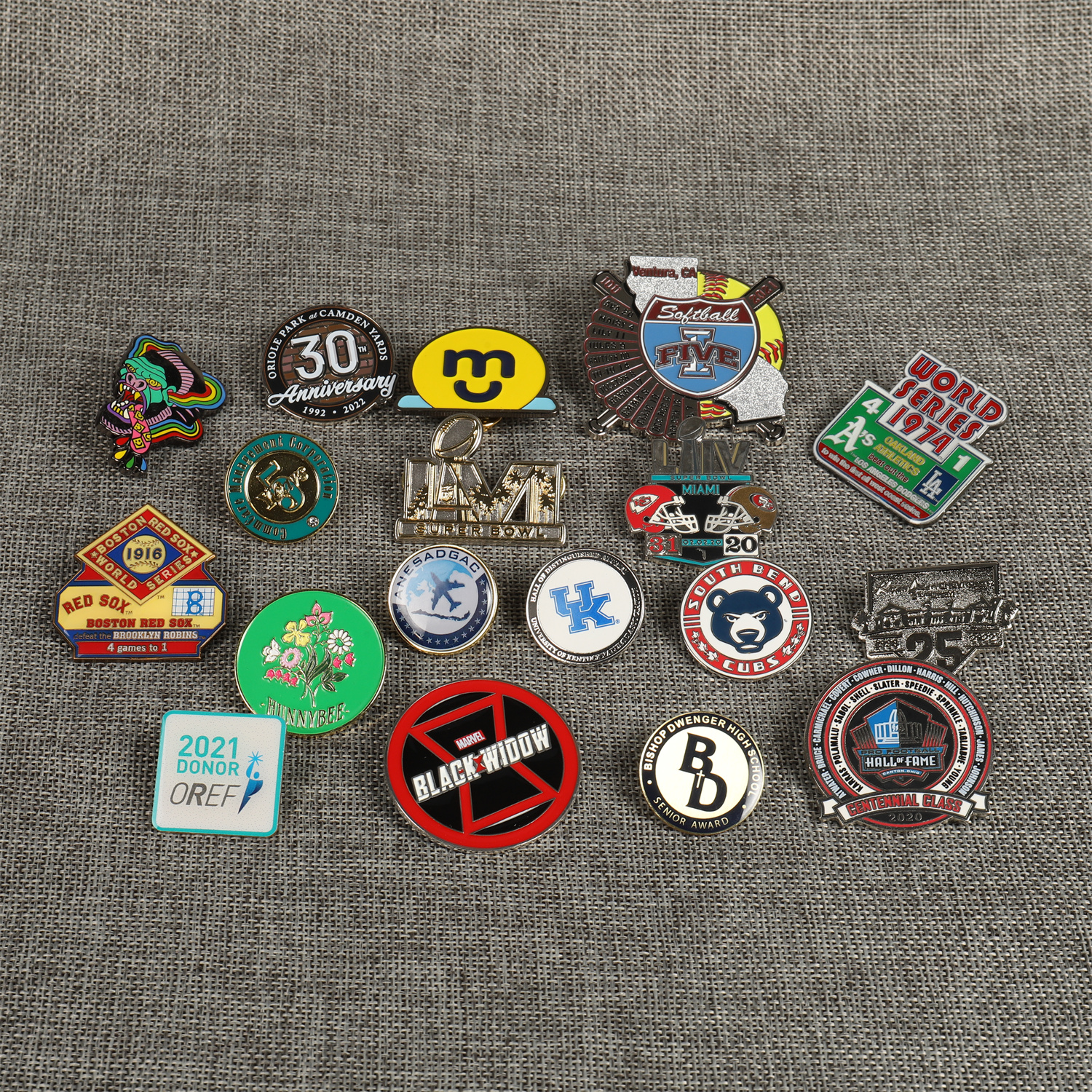
Epoxy badges are also generally called printing badges, because the final process of making badges is to add a layer of transparent protective resin (Polly) on the surface of the badges. The materials used for the badges are mainly stainless steel and bronze. Material, the default thickness is 0.8mm, according to the different production processes, it is divided into screen printing and lithographic printing.
Screen printing badges: mainly for simple graphics and fewer colors, sometimes it is necessary to use a screen plate on the surface of the imitation enamel badge to overprint various small graphics.
Lithographic printing: For complex patterns and many colors, especially for badges with tapered rubber that are discolored, such as tourist attraction badges Z are suitable for lithographic printing, and the produced badges can perfectly reproduce the scenery of scenic spots.
Metrics for Epoxy Badges:
1. The content, pattern and manuscript of the badge should be printed clearly, clearly, without photocopying or overlapping;
2. There is no case of cutting corners and shoddy materials for the back plate of the badge;
3. The glue drop process in the transparent drop plastic on the surface of the badge is perfectly handled, and the pattern is centered up, down, left and right;
4. There is no blemish and the probability of chromatic aberration is small when printing the graphics and text of the badge, and there are few bubbles in the dripping.
Screen printing badges: mainly for simple graphics and fewer colors, sometimes it is necessary to use a screen plate on the surface of the imitation enamel badge to overprint various small graphics.
Lithographic printing: For complex patterns and many colors, especially for badges with tapered rubber that are discolored, such as tourist attraction badges Z are suitable for lithographic printing, and the produced badges can perfectly reproduce the scenery of scenic spots.
Metrics for Epoxy Badges:
1. The content, pattern and manuscript of the badge should be printed clearly, clearly, without photocopying or overlapping;
2. There is no case of cutting corners and shoddy materials for the back plate of the badge;
3. The glue drop process in the transparent drop plastic on the surface of the badge is perfectly handled, and the pattern is centered up, down, left and right;
4. There is no blemish and the probability of chromatic aberration is small when printing the graphics and text of the badge, and there are few bubbles in the dripping.
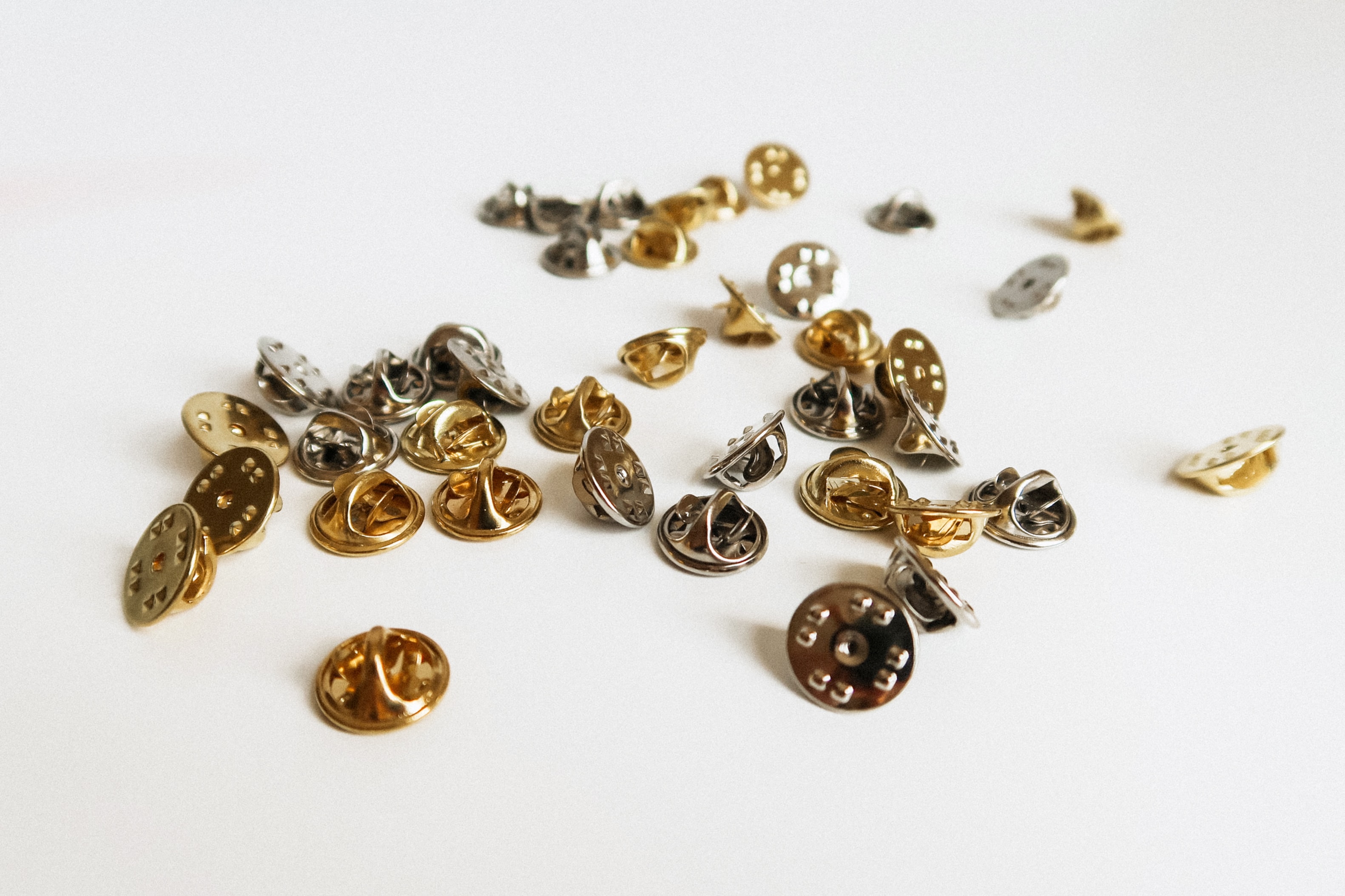 Why choose copper for custom badge accessories butterfly hat?
 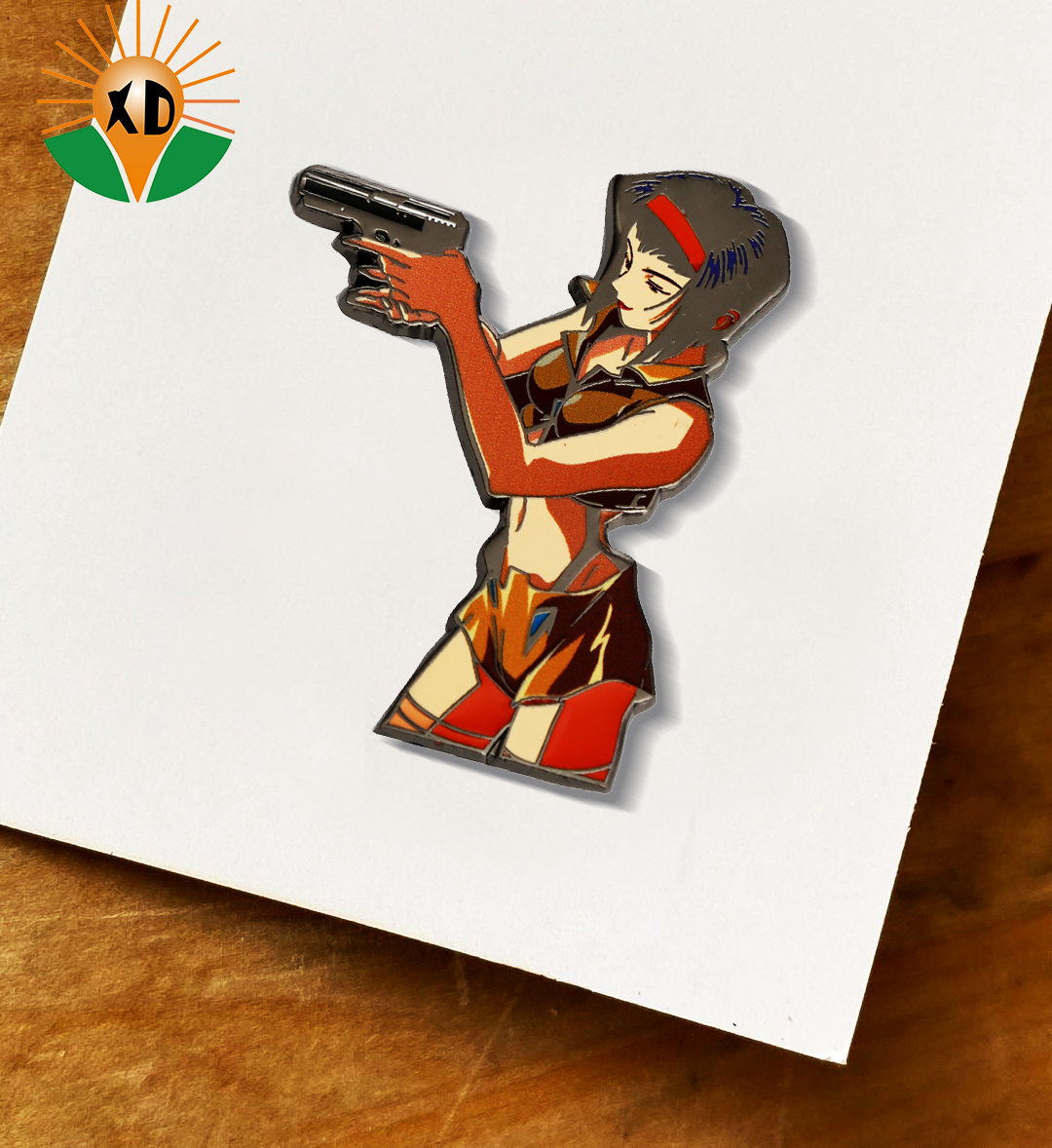 What are the materials for making metal badges?
 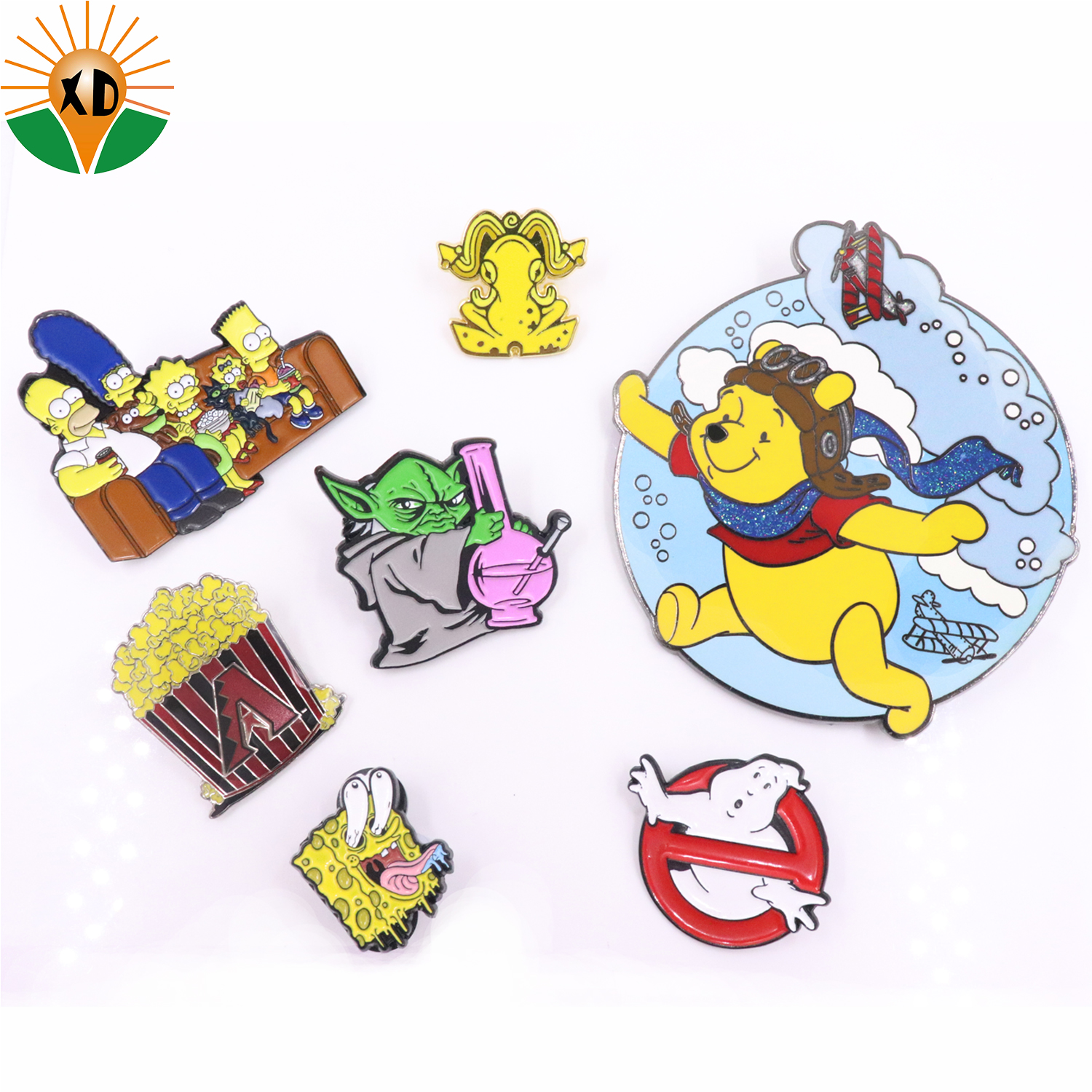 Badge Customization--Material
  Talking about why zinc alloy badge customization will not rust?
  Customization of metal badge
 - How to do the surface treatment of zinc alloy
- Why choose copper for custom badge accessories butterfly hats?
- The difference between imitation enamel badges and paint badges
 Medal badge customization service | customization precautions
 - Badge customization manufacturers: the production process of metal badges
 Common size and thickness of badge customization
 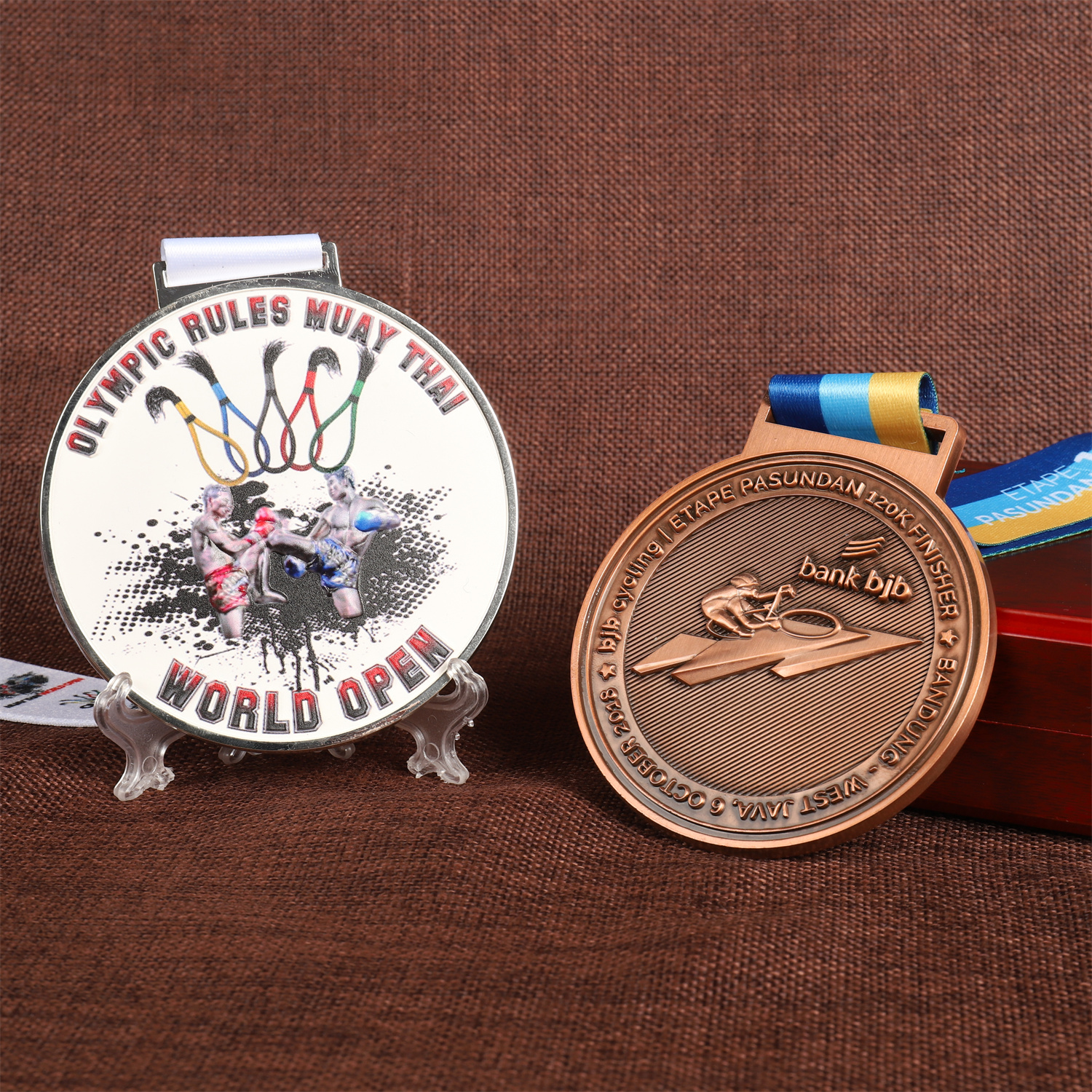 Why do marathons need marathon medals?
 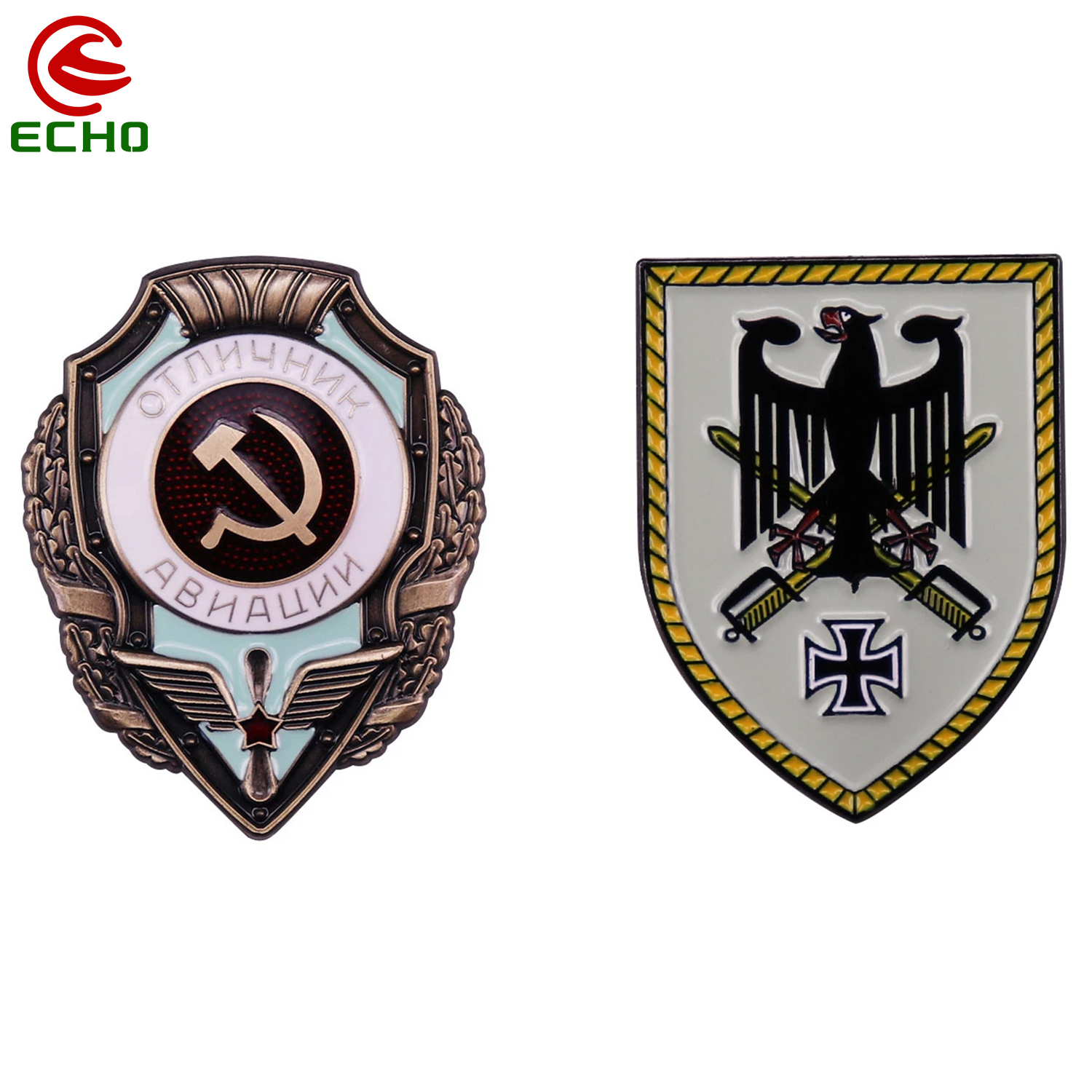 The Significance and Ways of Making Enterprise Metal Badges
 - About Soft Enamel Technique Of Custom Lapel Pin
- Process Of Different Printing Technique
- Introduction Of Printing And Soft Enamel Lapel Pin
- The difference between real enamel craftsmanship and imitation enamel craftsmanship
- Several problems that are easily overlooked in badge customization
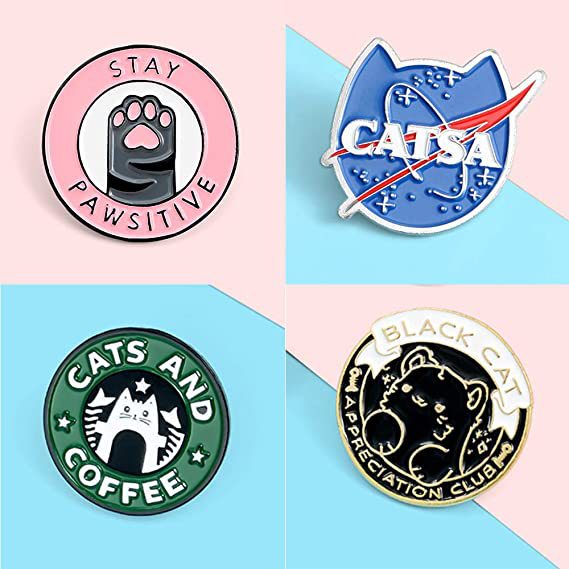 The difference between enamel badges and imitation enamel badges for badge customization
 - What factors determine the price of medal customization?