
Customization of metal badge
author: Donny
2022-11-05
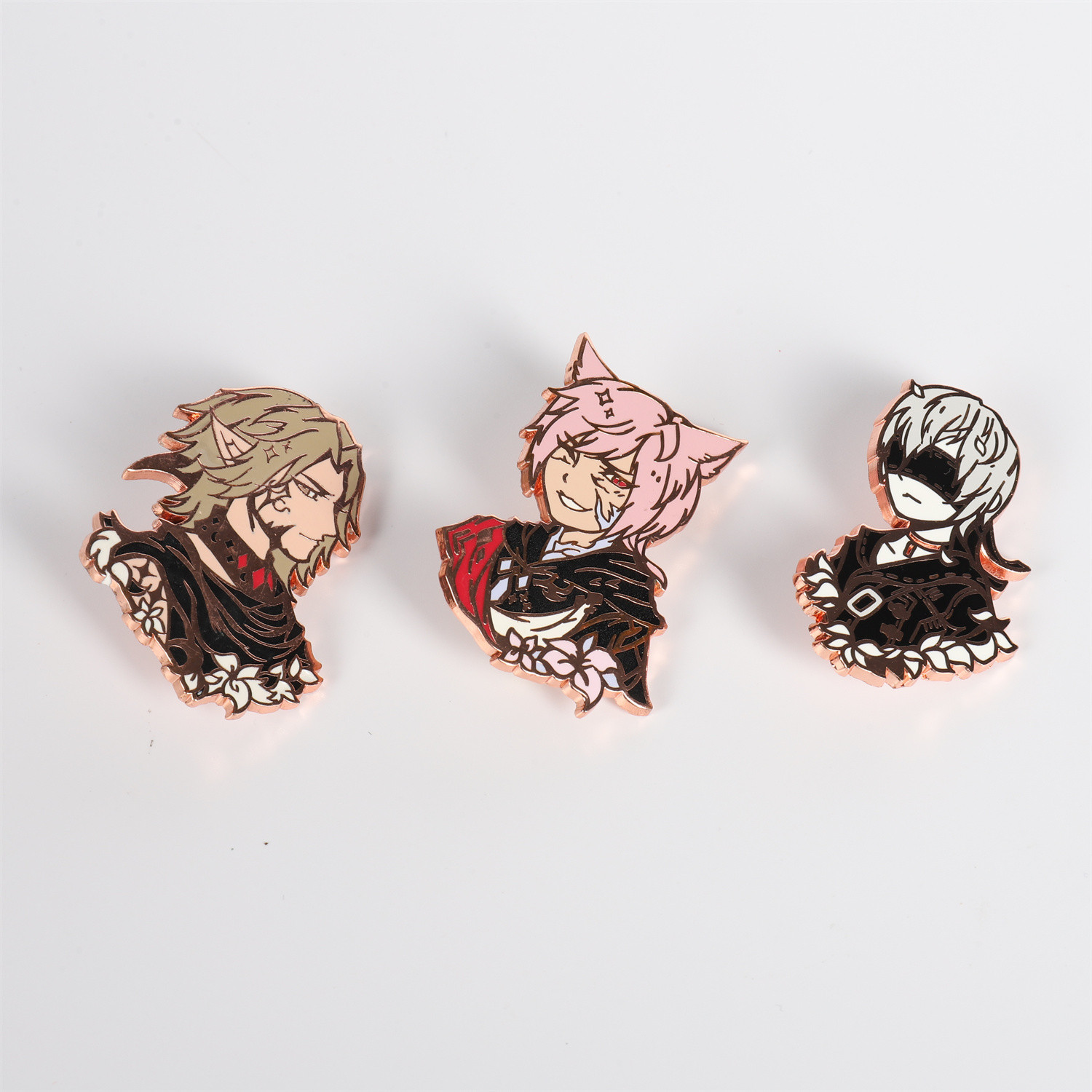
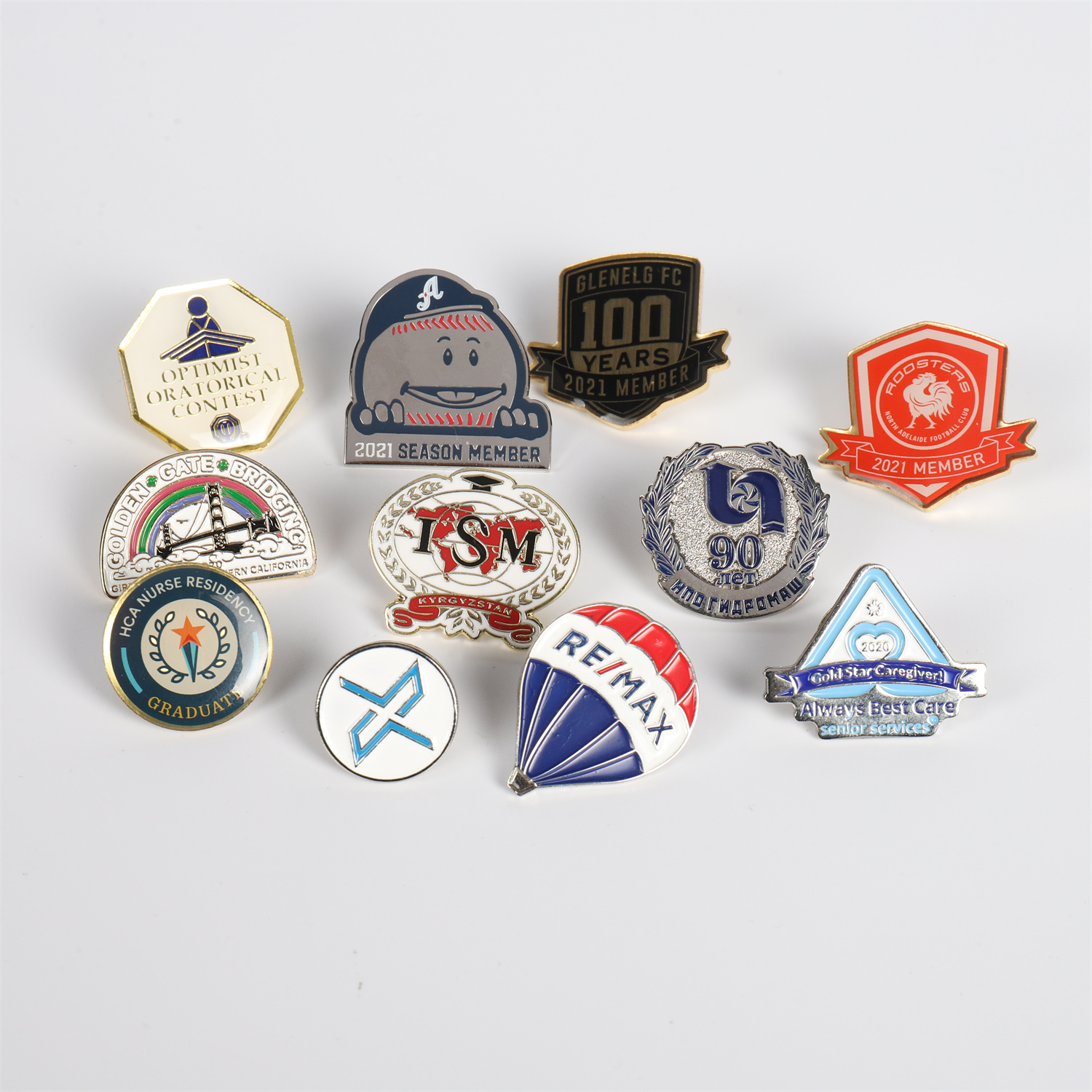
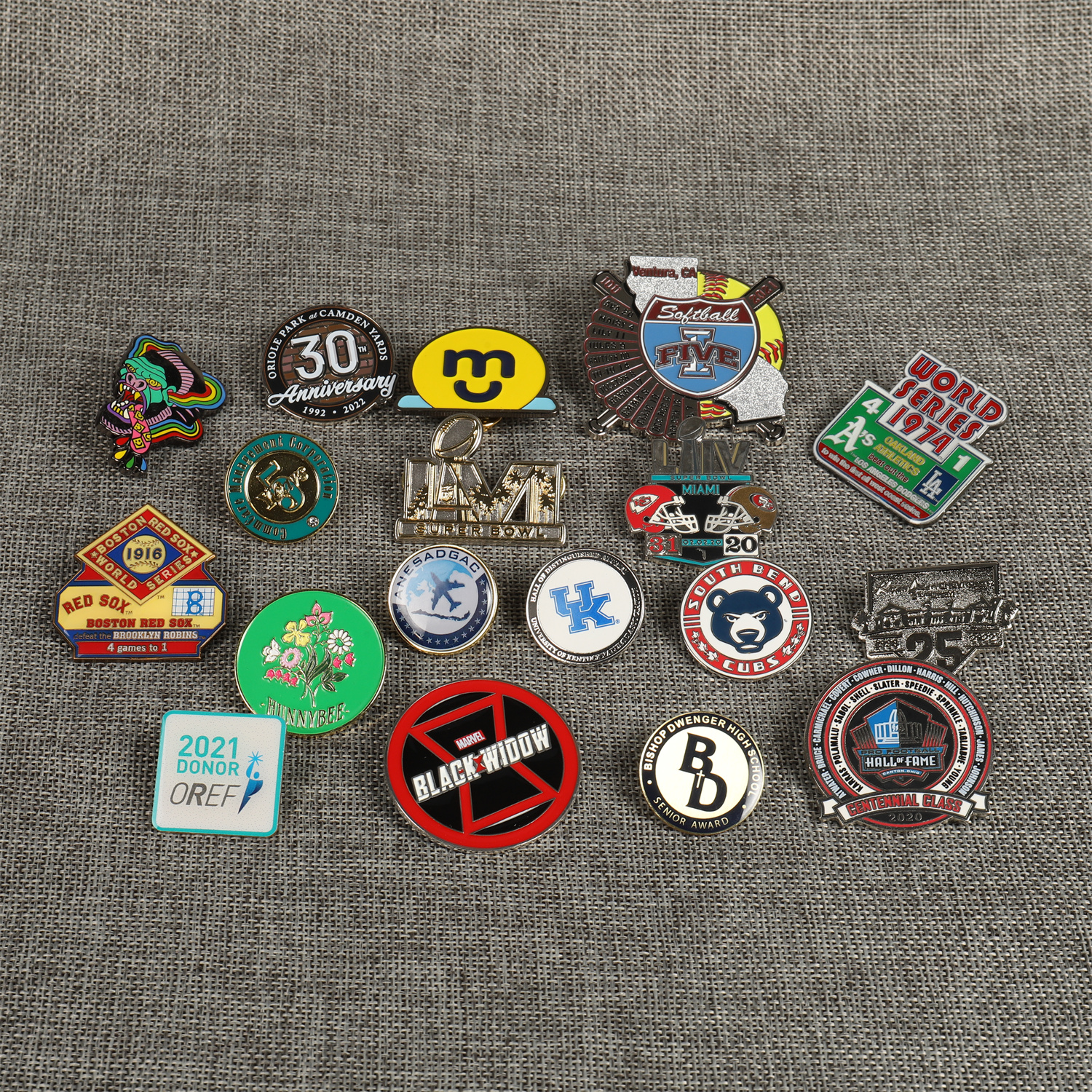
Metal badges are a kind of badges (medal), which are generally made by stamping, die-casting and biting. The surface of the badge can be electroplated with gold, ancient gold, ancient silver, nickel and other electroplating effects. It has the characteristics of simple and smooth lines, concave and convex patterns, etc. Surface color technology such as baking paint, enamel, and printing can be used to make the product more abundant. Gold and silver badges are the most expensive, followed by bronze badges, zinc alloy badges, and iron badges.
The original metal badge is the steps used to make paint badges, soft enamel badges, epoxy badges, printing badges, embossed badges, metal badges through
The lacquer or soft enamel process is reworked into a beautiful badge with rich colors. The metal badge has a strong three-dimensional sense and a variety of patterns with outstanding layering. It is a badge product that is used most among high-end users. Without the colored metal badges, the production period will be shorter after the embossing pattern is made, which is suitable for mass badge production.
Process 1: Design badge artwork. With the popularization of computer technology, computer drawings replaced the previous manual drawings. The commonly used production software for badge artwork design includes Adobe Photoshop, Adobe Illustrator and Corel Draw. If you want to generate 3D badge renderings, you need the support of software such as 3D Max. Regarding the color system, PANTONE SOLID COATED is usually used, because the PANTONE color system can better match the color and reduce the possibility of color difference.
Process 2: Make badge molds. Import the manuscript designed on the computer into the engraving machine program and edit the tool path for mold carving. During the carving process, pay attention to the thickness of the knife pattern. After carving, check whether the mold is missing or not according to the picture. After Z, the mold should be heat treated to enhance the hardness and durability of the mold.
Process 3: Compression. Install the often heat-treated mold on the pressing table, and transfer the pattern to different badge making materials such as copper or iron.
Process 4: Punching. Using the pre-made die, press the product according to its shape and punch the product with a punch.
Process 5: Polishing. Put the product punched by the knife die into the polishing machine for polishing, remove the punching burr, and improve the smoothness of the product.
Process 6: Welding badge accessories. Solder the back of the product to the badge standard accessories or the accessories required by the customer.
Process 7: Electroplating and coloring the badge. The badges are electroplated according to the customer's requirements, which can be gold-plated, silver-plated, nickel-plated, red-copper-plated, etc., and then the badges are colored according to the customer's requirements. After finishing the coloring, high temperature baking is performed to strengthen the color fastness. . Through this step, a complete badge that meets the guest's requirements is produced.
Process 8: Pack the produced badges according to the customer's requirements. Packaging is generally divided into ordinary packaging and high-end packaging such as brocade boxes, etc. We generally operate according to customer requirements. Material of metal badge
Some common materials for folding metal badges
Metal badge customization is made of copper, iron, zinc alloy or gold and silver and other metal materials through a certain badge process. In recent years, the collection value of badges has become more and more prominent, especially the badges and commemorative badges made of metal materials have become the mainstream of badge production, such as enamel badges and imitation enamel badges in high-end badges, as well as paint badges, and Relatively cheap metal badges made of iron, refrigerator magnet manufacturers say these are made by customer badges
The original metal badge is the steps used to make paint badges, soft enamel badges, epoxy badges, printing badges, embossed badges, metal badges through
The lacquer or soft enamel process is reworked into a beautiful badge with rich colors. The metal badge has a strong three-dimensional sense and a variety of patterns with outstanding layering. It is a badge product that is used most among high-end users. Without the colored metal badges, the production period will be shorter after the embossing pattern is made, which is suitable for mass badge production.
Process 1: Design badge artwork. With the popularization of computer technology, computer drawings replaced the previous manual drawings. The commonly used production software for badge artwork design includes Adobe Photoshop, Adobe Illustrator and Corel Draw. If you want to generate 3D badge renderings, you need the support of software such as 3D Max. Regarding the color system, PANTONE SOLID COATED is usually used, because the PANTONE color system can better match the color and reduce the possibility of color difference.
Process 2: Make badge molds. Import the manuscript designed on the computer into the engraving machine program and edit the tool path for mold carving. During the carving process, pay attention to the thickness of the knife pattern. After carving, check whether the mold is missing or not according to the picture. After Z, the mold should be heat treated to enhance the hardness and durability of the mold.
Process 3: Compression. Install the often heat-treated mold on the pressing table, and transfer the pattern to different badge making materials such as copper or iron.
Process 4: Punching. Using the pre-made die, press the product according to its shape and punch the product with a punch.
Process 5: Polishing. Put the product punched by the knife die into the polishing machine for polishing, remove the punching burr, and improve the smoothness of the product.
Process 6: Welding badge accessories. Solder the back of the product to the badge standard accessories or the accessories required by the customer.
Process 7: Electroplating and coloring the badge. The badges are electroplated according to the customer's requirements, which can be gold-plated, silver-plated, nickel-plated, red-copper-plated, etc., and then the badges are colored according to the customer's requirements. After finishing the coloring, high temperature baking is performed to strengthen the color fastness. . Through this step, a complete badge that meets the guest's requirements is produced.
Process 8: Pack the produced badges according to the customer's requirements. Packaging is generally divided into ordinary packaging and high-end packaging such as brocade boxes, etc. We generally operate according to customer requirements. Material of metal badge
Some common materials for folding metal badges
Metal badge customization is made of copper, iron, zinc alloy or gold and silver and other metal materials through a certain badge process. In recent years, the collection value of badges has become more and more prominent, especially the badges and commemorative badges made of metal materials have become the mainstream of badge production, such as enamel badges and imitation enamel badges in high-end badges, as well as paint badges, and Relatively cheap metal badges made of iron, refrigerator magnet manufacturers say these are made by customer badges
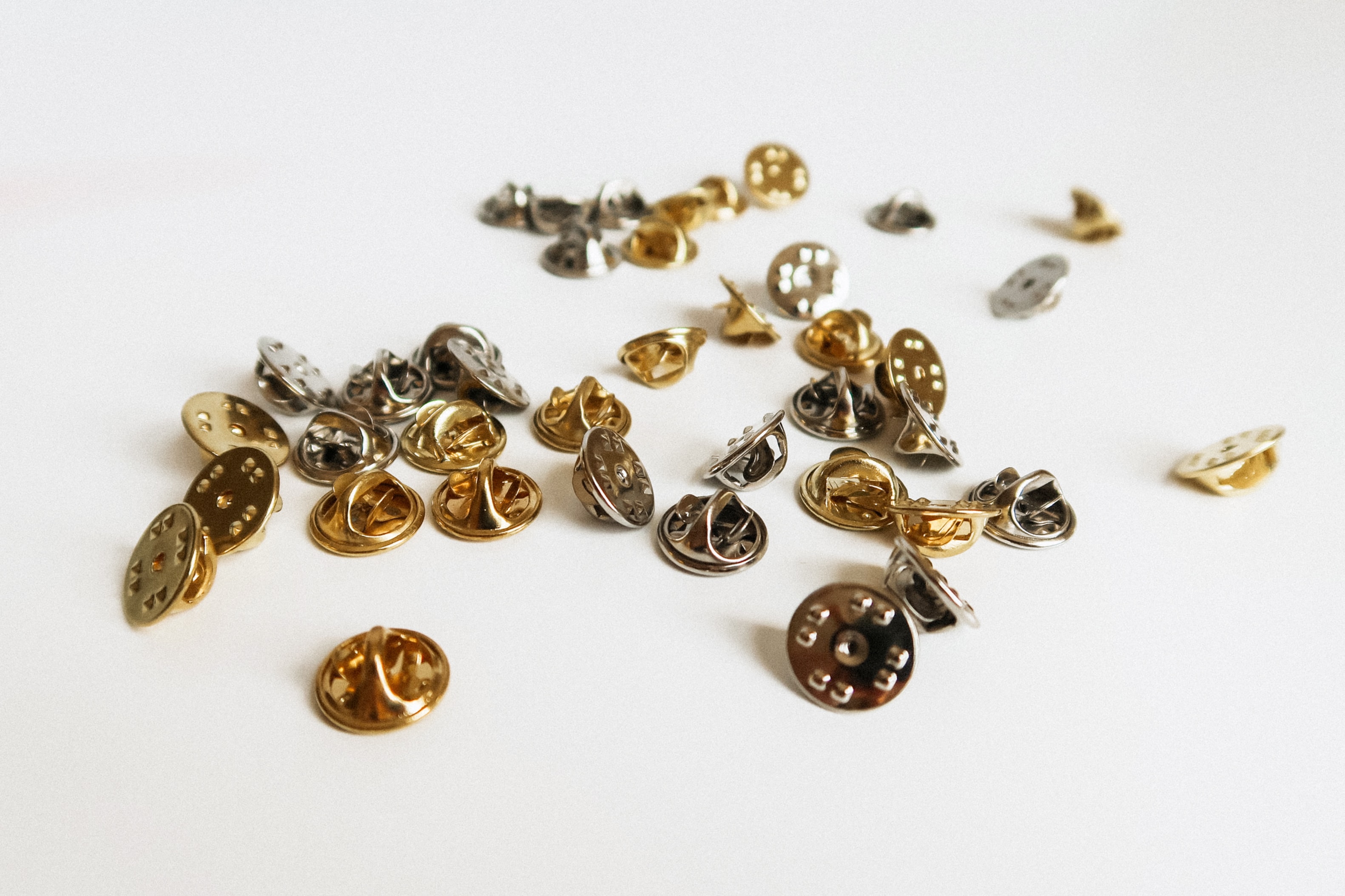 Why choose copper for custom badge accessories butterfly hat?
 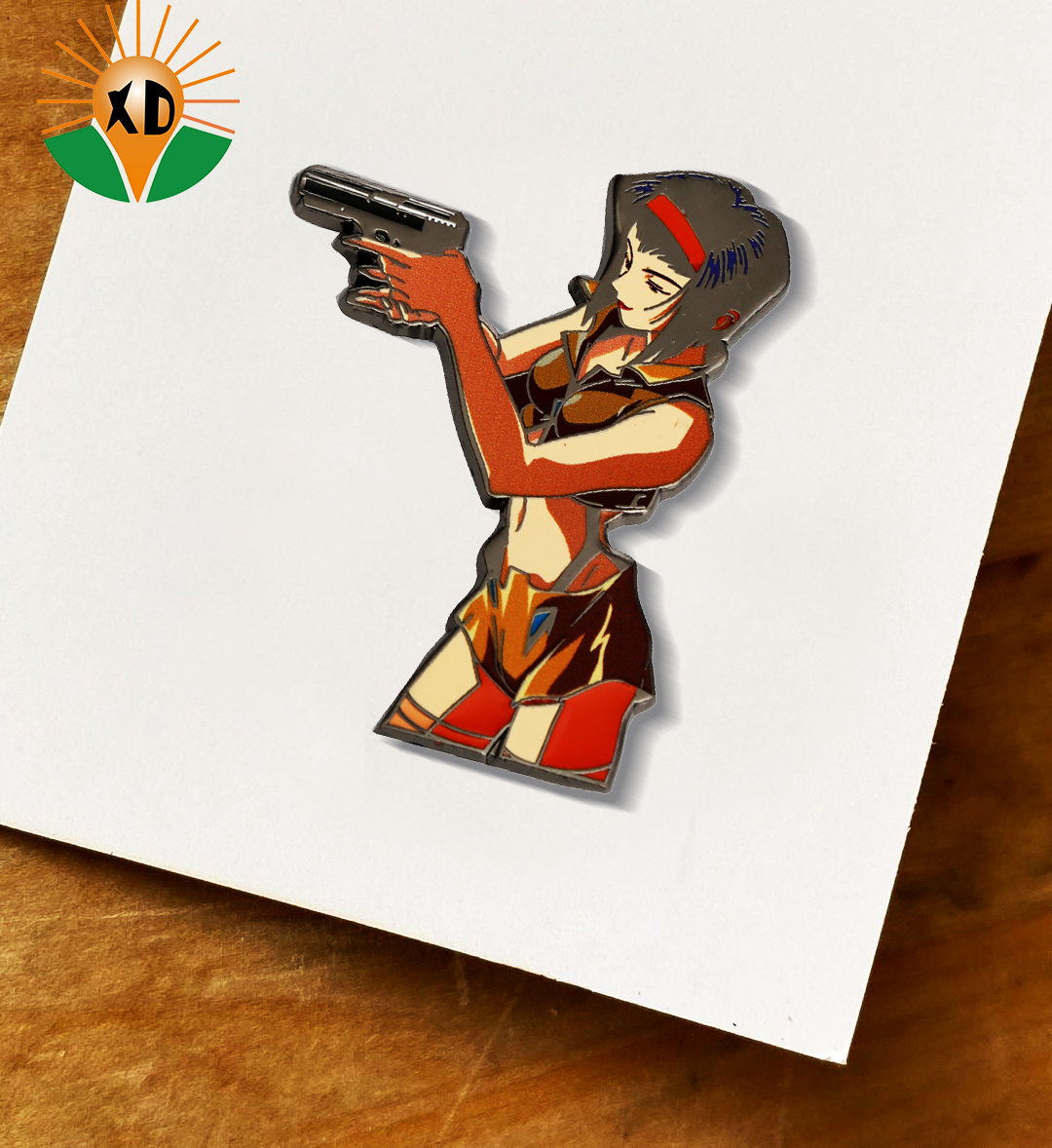 What are the materials for making metal badges?
 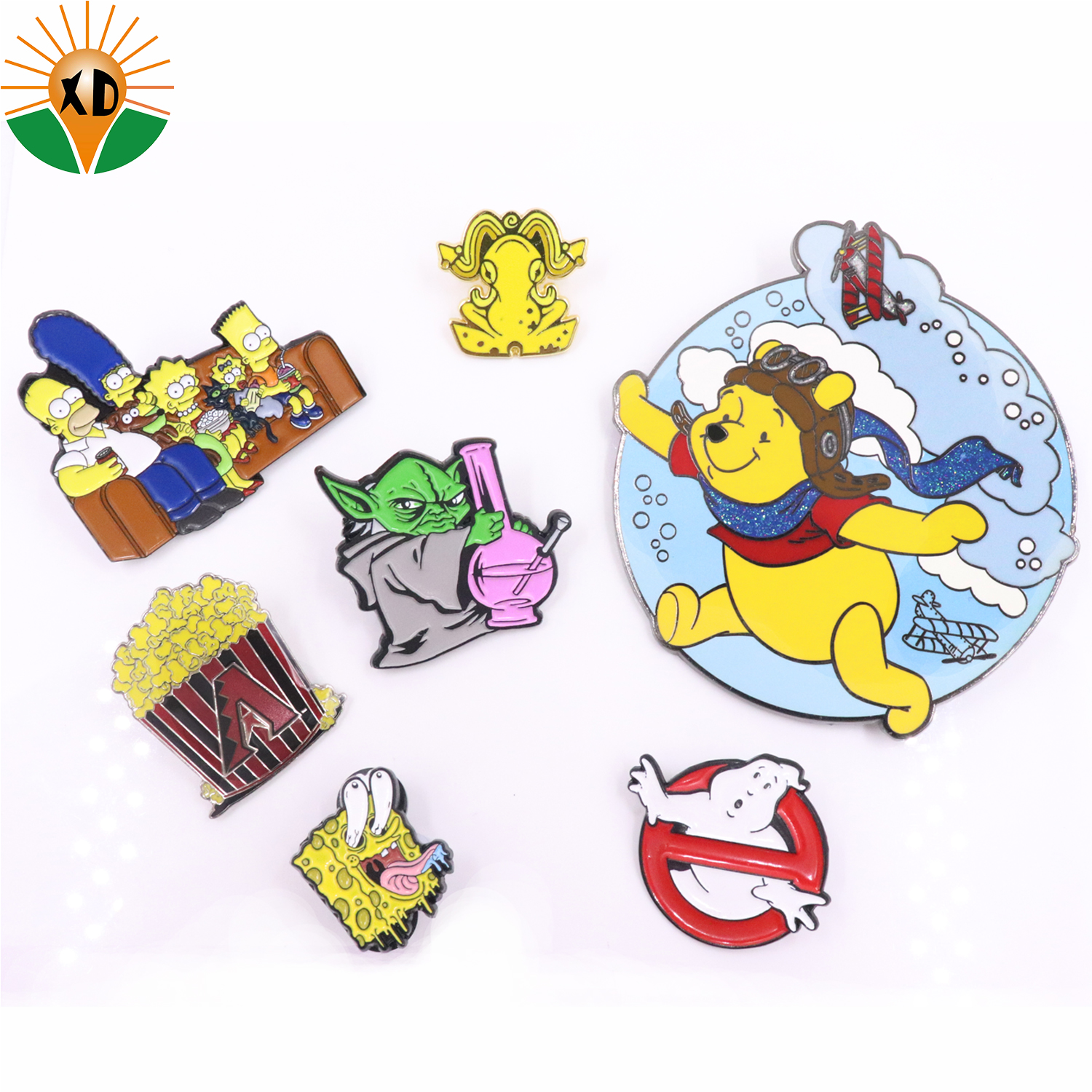 Badge Customization--Material
  Talking about why zinc alloy badge customization will not rust?
 - How to do the surface treatment of zinc alloy
 Custom badges Epoxy badges are also called printed badges
 - Why choose copper for custom badge accessories butterfly hats?
- The difference between imitation enamel badges and paint badges
 Medal badge customization service | customization precautions
 - Badge customization manufacturers: the production process of metal badges
- Common size and thickness of badge customization
 Why do marathons need marathon medals?
 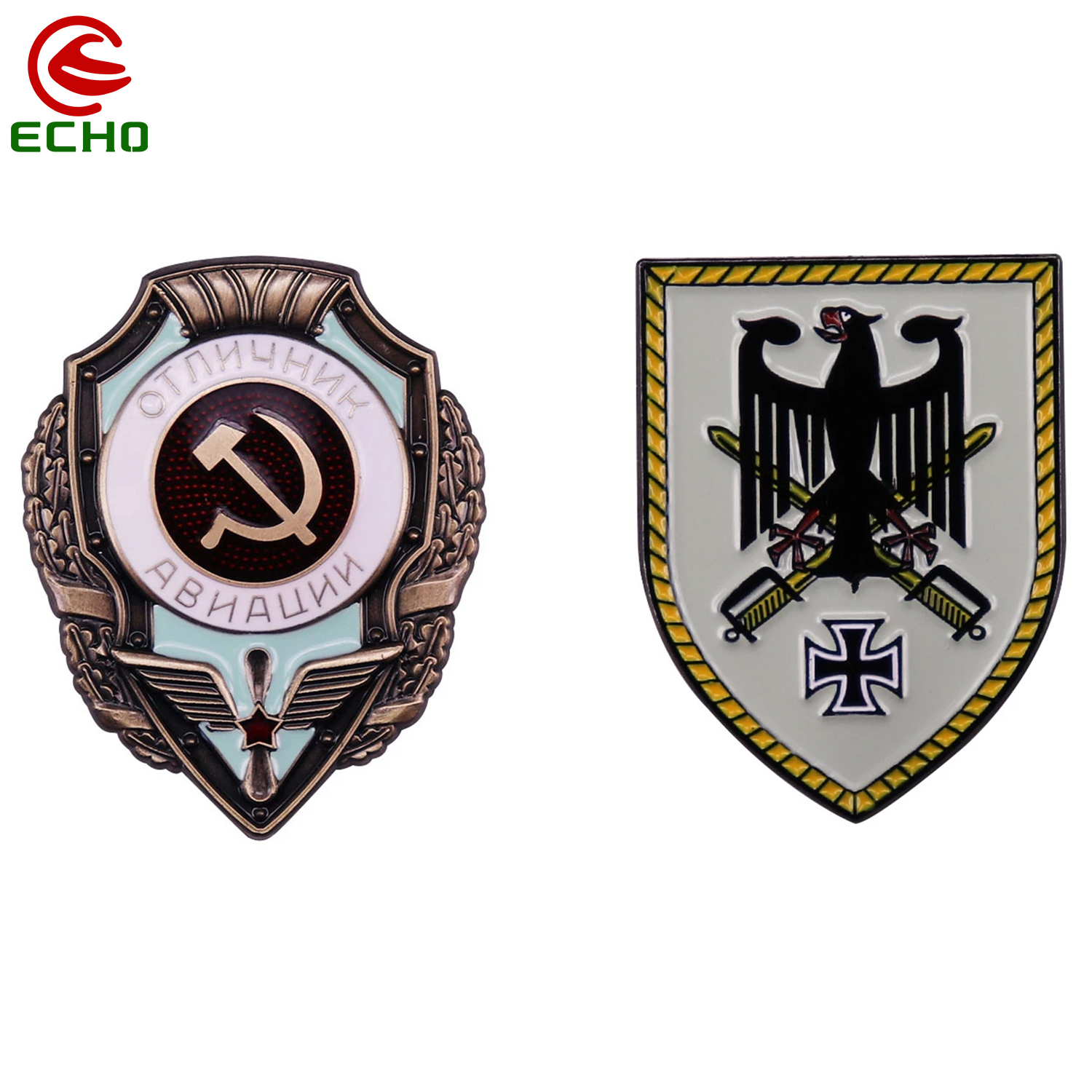 The Significance and Ways of Making Enterprise Metal Badges
 - About Soft Enamel Technique Of Custom Lapel Pin
- Process Of Different Printing Technique
- Introduction Of Printing And Soft Enamel Lapel Pin
- The difference between real enamel craftsmanship and imitation enamel craftsmanship
- Several problems that are easily overlooked in badge customization
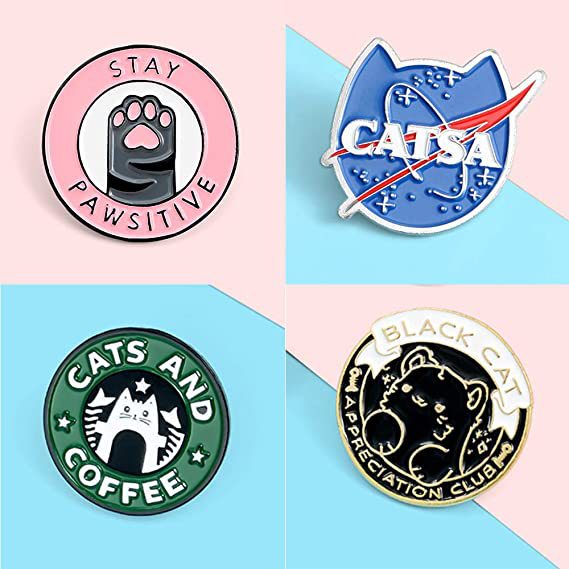 The difference between enamel badges and imitation enamel badges for badge customization
 - What factors determine the price of medal customization?